
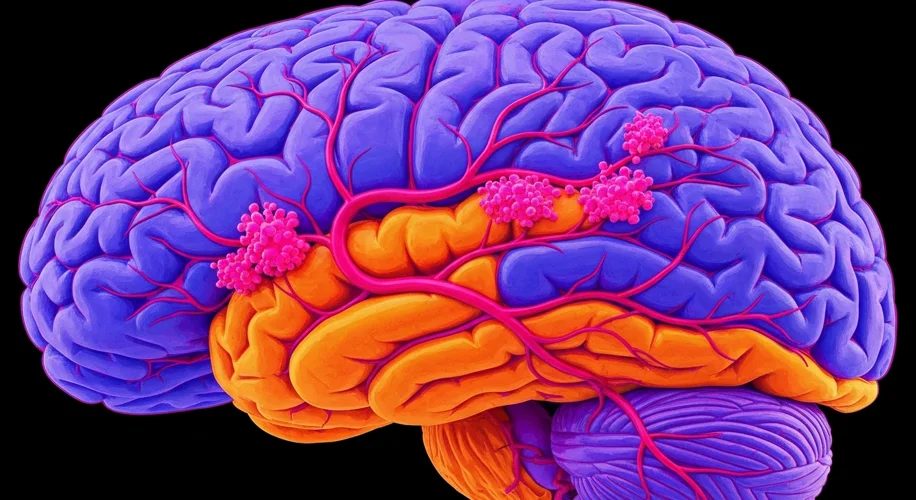
Did you know there’s a silent force quietly impacting your health, significantly increasing your risk for stroke and dementia? Today, September 9, 2025, I want to talk about something that affects us all: blood pressure. It’s a common health metric, yet its unchecked rise can have devastating consequences.
High blood pressure, often called hypertension, is a condition where the force of blood against your artery walls is consistently too high. Over time, this relentless pressure can damage blood vessels throughout your body, including those supplying your brain and heart. Think of it like water pressure in pipes; if it’s too high for too long, the pipes can weaken, crack, or even burst.
The Brain Connection
When blood vessels in the brain are damaged or weakened by high blood pressure, it can lead to several issues. Tiny blood vessels can become narrowed or blocked, reducing blood flow to parts of the brain. This can result in what are sometimes called ‘silent strokes’ or transient ischemic attacks (TIAs), which may not have obvious symptoms but can still cause cumulative damage. Over time, this reduced blood flow and repeated damage can contribute to cognitive decline and vascular dementia. The brain needs a constant, healthy supply of oxygenated blood to function optimally, and high blood pressure directly interferes with this.
The Stroke Connection
Strokes happen when blood supply to part of the brain is interrupted or reduced, preventing brain tissue from getting oxygen and nutrients. High blood pressure is the single most significant risk factor for stroke. The extra force from hypertension can cause arteries to harden and narrow, or it can lead to bursts in weakened blood vessels.
What Can You Do?
The good news is that high blood pressure is largely manageable and often preventable. The key is understanding your numbers and taking proactive steps. Here’s what we know works:
- Know Your Numbers: Get your blood pressure checked regularly. Many doctor’s offices and pharmacies offer this service.
- Healthy Diet: Focus on a diet rich in fruits, vegetables, and whole grains. Limiting sodium (salt) intake is crucial, as it can significantly impact blood pressure.
- Regular Exercise: Aim for at least 150 minutes of moderate-intensity aerobic activity per week. Even brisk walking makes a difference.
- Maintain a Healthy Weight: Losing even a small amount of weight if you’re overweight can lower your blood pressure.
- Limit Alcohol: If you drink alcohol, do so in moderation.
- Manage Stress: Find healthy ways to cope with stress, such as mindfulness, yoga, or spending time in nature.
- Don’t Smoke: Smoking damages blood vessels and raises blood pressure.
Managing blood pressure isn’t just about preventing a single event; it’s about preserving your cognitive function and overall brain health for the long term. It’s a critical part of keeping your body, especially your brain, functioning at its best. Let’s talk about taking control of this silent factor for a healthier future.