
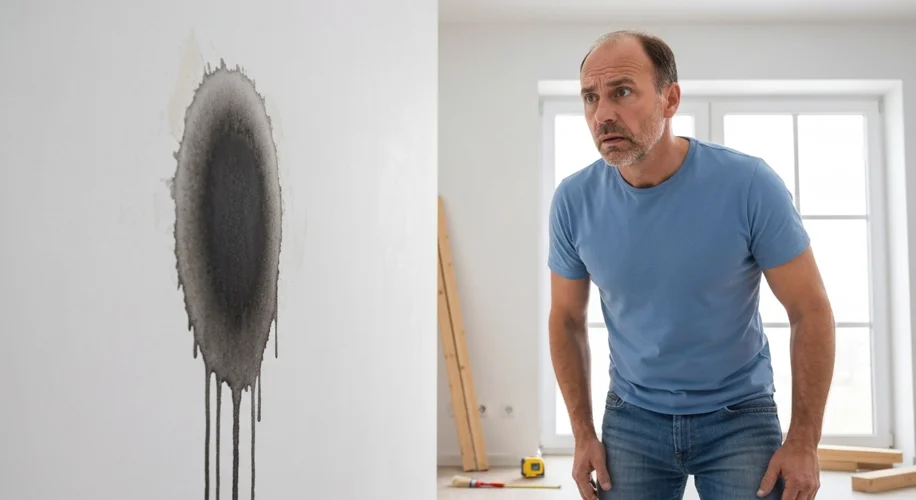
It’s a homeowner’s nightmare. You’ve just wrapped up a beautiful renovation, envisioning pristine new spaces, only to discover a damp, unwelcome surprise shortly after: water damage.
This isn’t an uncommon story. Improper sealing, often during projects involving plumbing or exterior work, can lead to leaks that only make themselves known once the walls are closed up and new finishes are in place. When this happens, it’s crucial to know how to navigate the situation with your contractor.
The Discovery
Let’s say you notice a musty smell, a stain appearing on a ceiling or wall, or perhaps a soft spot in the flooring. Your first instinct might be to investigate, and if you find signs of moisture where there shouldn’t be any, it’s time to act.
First Steps: Document Everything
Before you call your contractor, gather as much evidence as possible. Take clear photos and videos of the damage. Note down the date you discovered it and any changes you’ve observed. If the damage is actively leaking, try to capture that too. This documentation is vital for communicating the problem accurately and serves as a record of the issue’s timeline.
The Conversation with Your Contractor
Reach out to your contractor promptly and professionally. Schedule a time for them to come and inspect the damage. Frame the conversation around finding a solution together. You might say something like, “We’ve noticed some water damage that seems to have appeared after the renovation work was completed. Could you please come take a look so we can understand what’s happening and how to fix it?”
Be prepared to show them your documentation. The goal is to determine the cause. If the damage is a direct result of work that was not performed correctly (e.g., inadequate sealing around a newly installed shower or window), the contractor should typically be responsible for making repairs.
What to Expect
A reputable contractor will take your concerns seriously. They should be willing to investigate the source of the leak and assess the extent of the damage. Ideally, they will offer a plan to rectify the situation, which may include repairing the original faulty work and then addressing the water damage itself.
When Things Get Complicated
If the contractor disputes that their work caused the damage, or if they are unwilling to take responsibility, you may need to seek further advice. This could involve:
- Reviewing Your Contract: Check the terms of your original agreement. It should outline responsibilities for workmanship and warranties.
- Getting a Second Opinion: Consider hiring an independent inspector or another qualified contractor to assess the situation and provide an expert opinion on the cause and necessary repairs.
- Mediation or Arbitration: Some contracts include clauses for resolving disputes outside of court. This can be a less adversarial way to reach an agreement.
Prevention is Key
While dealing with damage after the fact is stressful, it’s also a good reminder for future projects. Always choose contractors with good references and clear contracts. During the renovation, if possible, periodically check in on the work being done, especially in critical areas like plumbing and waterproofing.
Discovering water damage after a renovation is a frustrating experience, but by staying calm, documenting carefully, and communicating effectively with your contractor, you can work towards a resolution and restore peace of mind in your home.