Friends, I’m Simone, and today we’re diving into some truly exciting science that tackles two of our biggest challenges: plastic pollution and climate change. Did you know that scientists have found a way to transform plastic waste into a material that actually eats carbon dioxide? It’s a concept straight out of science fiction, but it’s becoming a reality.
For years, we’ve grappled with the overwhelming amount of plastic waste that ends up in our landfills and oceans. At the same time, we’re facing the urgent need to reduce greenhouse gases like carbon dioxide from our atmosphere. What if we could tackle both problems with one innovative solution?
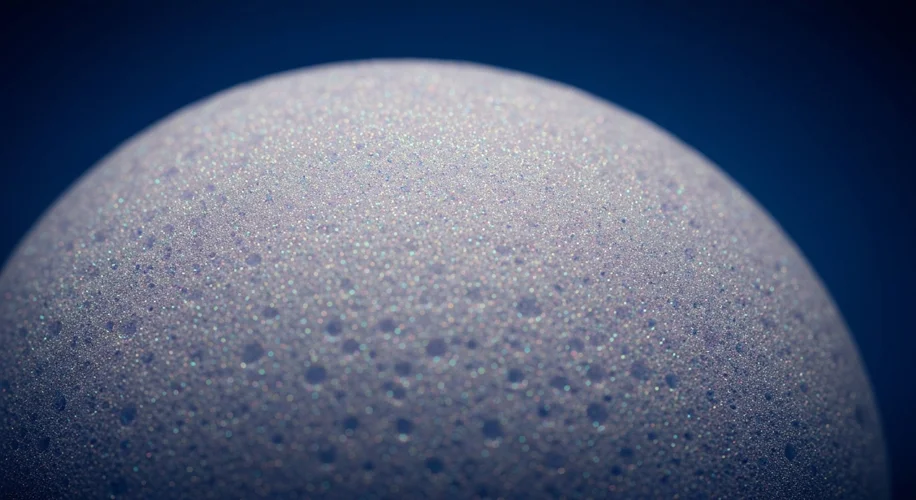
That’s exactly what researchers have been working on. They’ve developed a new method to convert common plastic waste, like the kind we encounter every day, into a porous material. Think of it like a sponge, but instead of soaking up water, it’s designed to capture carbon dioxide (CO₂) from the air.
How does it work? The process involves breaking down the plastic polymers and reassembling them into a new structure with a vast internal surface area. This intricate structure is key to its ability to trap CO₂ molecules. It’s a fantastic example of how we can rethink waste – not as something to discard, but as a valuable resource for creating advanced materials.
This isn’t just a theoretical idea; studies have shown the effectiveness of these materials in absorbing CO₂. While it’s still in the research and development phase, the potential implications are enormous. Imagine industrial facilities capturing their emissions, or even large-scale atmospheric CO₂ removal projects powered by recycled plastic.
This discovery offers a dual benefit: it helps us manage the ever-growing problem of plastic waste while simultaneously providing a tool to combat rising CO₂ levels. It’s a powerful reminder of human ingenuity and our capacity to find sustainable solutions to complex environmental issues. I’m incredibly optimistic about where this kind of research can lead us in creating a healthier planet.