
It feels like we’re constantly hearing about tariffs and trade wars these days. The news cycles buzz with potential tariff refund bills, or how trade disputes might impact jobs in critical sectors like semiconductors. From my perspective, having spent decades in tech, these aren’t just abstract economic concepts; they have real, tangible consequences that touch all of us.
Think about it: when a country imposes tariffs, it’s essentially putting a tax on imported goods. This can make those goods more expensive for consumers and businesses. For instance, if tariffs are placed on imported electronic components, the cost of producing smartphones or computers could rise. This increased cost often gets passed on to us, the consumers, in the form of higher prices.
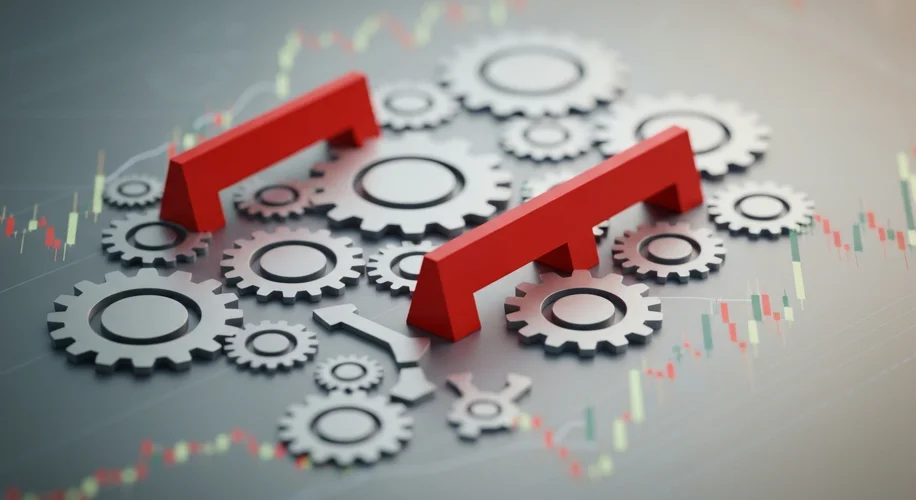
But it’s not just about the price tag. Tariffs can disrupt established supply chains. Companies that rely on sourcing parts or materials from other countries might face delays or find their costs skyrocketing. This can lead to production slowdowns or even force them to look for new suppliers, which is a complex and often costly process. We saw this play out in the semiconductor industry, where tariffs and trade tensions created significant uncertainty and impacted global manufacturing.
Beyond the immediate economic effects, there’s a broader societal impact. When trade wars disrupt industries, jobs can be affected. Layoffs, even in sectors not directly involved in the targeted goods, can ripple through the economy. This brings up important ethical considerations: how do we balance national economic interests with the well-being of individual workers and communities?
It’s a bit like the impact of technological advancements, actually. Just as AI or automation can reshape labor markets, trade policies can also create winners and losers. The key question is how we navigate these shifts. Do we prioritize short-term gains or long-term stability and fairness? Do we foster collaboration or competition? These are the kinds of nuanced questions we need to grapple with.
When policies create uncertainty, it can stifle investment. Businesses are less likely to take risks or expand if they’re unsure about future trade rules. This can slow down innovation and economic growth overall. It’s a delicate balancing act, trying to protect domestic industries without alienating global partners or harming consumers.
So, the next time you hear about tariffs or trade wars, remember that it’s more than just political jargon. It’s about the intricate web of global economics, the jobs people depend on, and the prices we pay. Understanding these connections helps us appreciate the complexity of the global economy and the far-reaching effects of policy decisions.