
Hey everyone, Elias here!
Have you ever looked at your favorite houseplant or garden specimen and noticed something… unusual? Maybe a sticky residue, or a strange new growth that looks a little out of place? It’s a common gardening puzzle, and recently, someone asked me about a sticky substance on their plant. It’s a great opportunity to talk about how we can help our green friends thrive by understanding what might be happening.
What’s That Stickiness?
That sticky feeling on your plant leaves or stems is often called ‘honeydew.’ It’s not actually dew, but a sugary liquid excreted by certain tiny insects. The most common culprits are:
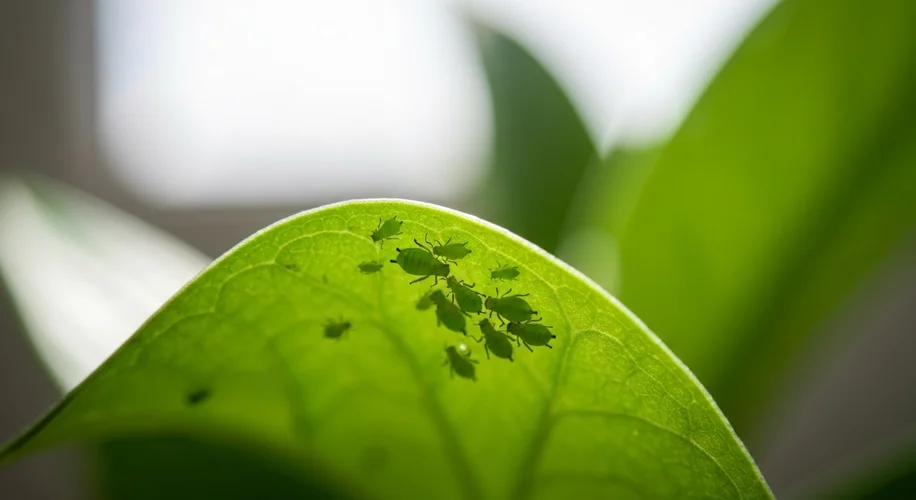
- Aphids: These tiny, often green, pear-shaped insects love to cluster on new growth and the undersides of leaves. They suck the sap from your plant, and the honeydew is a byproduct.
- Mealybugs: These look like small, white, cottony masses, often found in leaf axils or along stems. They also feed on plant sap and leave behind honeydew.
- Scale Insects: These can look like tiny bumps or shells attached to stems and leaves. They are immobile as adults and feed by piercing plant tissues.
- Whiteflies: You might see these tiny, white, moth-like insects fly up when you disturb the plant. They also feed on sap and produce honeydew.
Why Honeydew is a Problem
While the insects themselves are the primary concern, the honeydew they leave behind can cause further issues. It’s a sugar-rich substance, which makes it a perfect breeding ground for a sooty mold. This black, powdery fungus doesn’t directly harm the plant by feeding on it, but it can block sunlight from reaching the leaves, hindering photosynthesis and weakening the plant.
So, What Can You Do?
Don’t panic! Most of these issues can be managed effectively. Here are a few steps:
- Inspection: First, take a close look at your plant. Try to identify the tiny creatures responsible. A magnifying glass can be very helpful.
- Wipe it Down: For mild infestations, you can often wipe the sticky residue and visible insects off with a damp cloth. If it’s quite sticky, a little mild soap diluted in water can help.
- Water Spray: A strong spray of water from your hose (if it’s an outdoor plant) or a shower head (for houseplants) can dislodge many pests.
- Neem Oil: This is a fantastic natural option. Neem oil is derived from the neem tree and works as an insecticide and fungicide. Mix it according to the product’s instructions and spray it on affected areas, ensuring you cover both the tops and undersides of leaves. It’s best to do this in the evening or on a cloudy day to avoid leaf burn.
- Insecticidal Soap: Commercially available insecticidal soaps are effective at disrupting the outer layer of soft-bodied insects like aphids and mealybugs.
- Encourage Beneficial Insects: If your plants are outdoors, attracting natural predators like ladybugs and lacewings can be a huge help.
Prevention is Key
Regularly inspecting your plants, especially new acquisitions, is crucial. Good air circulation and proper watering also help keep plants healthy and less susceptible to pest attacks. A healthy plant is a strong plant!
Dealing with sticky situations is part of the gardening journey. It’s all about observation and taking action. Happy gardening!